
Income Protection Australia :: News
SHARE

Share this news item!

Why Battery Freight Is Becoming a Truck Insurance Issue

Small devices can create large exposure when cargo, compliance and downtime risks overlap

Why Battery Freight Is Becoming a Truck Insurance Issue?w=400

The information on this website is general in nature and does not take into account your objectives, financial situation, or needs. Consider seeking personal advice from a licensed adviser before acting on any information.

Recent transport and insurance industry attention on lithium-ion battery safety is a timely warning for Australian truck operators.
The issue is no longer limited to consumer products catching fire in homes or warehouses.
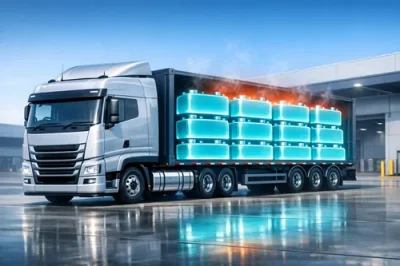
Batteries now move through freight networks in tools, scooters, e-bikes, electronics, spare parts and energy storage equipment, and that creates a different risk profile for carriers, depots and subcontracted linehaul work.

For insurers, the concern is not simply that a battery can ignite. The larger issue is how difficult a thermal runaway event can be to control once it starts, particularly inside a packed trailer, mixed-load pallet or depot environment. Smoke, heat, water damage and contamination can affect cargo that was not originally involved in the incident. A single load problem can therefore become a vehicle claim, a cargo claim, a liability question and a business interruption problem at the same time.

This is separate from, but connected to, the broader move towards battery-electric vehicles. Operators carrying battery-powered products need to think about the freight itself, not only the truck doing the work. Policies may treat lithium batteries differently depending on how they are packed, declared, charged, damaged, recycled or transported with other goods. Some policy wordings may also contain dangerous goods exclusions, special conditions or notification obligations that are easy to miss until a claim is lodged.

The practical starting point is documentation. Carriers should know what they are accepting, whether the consignor has classified the goods correctly, and whether packaging, labelling and handling procedures match the risk. Drivers and depot staff also need clear instructions on what to do if a package is swollen, hot, leaking, smoking or has been damaged in transit. Treating suspicious freight as an operational problem rather than an insurance problem can increase the eventual loss.

Operators should also review whether their existing truck policy, public liability arrangements and goods in transit or cargo cover respond in the way they expect. Key questions include whether fire damage to the truck is covered, whether customer goods are protected, whether clean-up costs are included, and whether subcontracting changes the position.

The insurance lesson is straightforward: as battery freight becomes more common, insurers will expect carriers to understand the exposure and manage it. Strong acceptance procedures, driver training, incident reporting and policy reviews can help reduce surprises when a battery-related loss turns into a complex claim.

Published:Thursday, 10th Sep 2026
Author: Paige Estritori

Please Note: We do not endorse any specific products or companies. Some content is sourced from third parties, including press releases, and may not be independently verified for accuracy or completeness.

Share this news item:

Rate this article

0 Comments

No comments yet. Be the first to share your thoughts.

Insurance News

Why Battery Freight Is Becoming a Truck Insurance Issue
10 Sep 2026: Paige Estritori
Recent transport and insurance industry attention on lithium-ion battery safety is a timely warning for Australian truck operators. The issue is no longer limited to consumer products catching fire in homes or warehouses. Batteries now move through freight networks in tools, scooters, e-bikes, electronics, spare parts and energy storage equipment, and that creates a different risk profile for carriers, depots and subcontracted linehaul work. - read more
Why Premium Differences Matter When Choosing Income Protection
09 Sep 2026: Paige Estritori
Recent income protection cost commentary has put a practical issue back in front of Australian workers: two policies that appear similar at first glance can carry very different long-term costs. For people relying on their income to meet mortgage repayments, rent, school fees, business expenses or family commitments, the premium is important, but it should not be viewed in isolation. - read more
Cyber Risk Is Blurring the Lines for Professional Indemnity Cover
09 Sep 2026: Paige Estritori
Recent insurance market commentary has again highlighted a growing challenge for Australian professional service firms: cyber incidents are no longer just an IT problem. When a system outage, data handling error, failed implementation, software defect or poor security recommendation causes a client financial loss, the dispute can quickly move into professional indemnity territory. - read more
Why Skipping Travel Insurance Can Be a Costly Saving
09 Sep 2026: Paige Estritori
Recent consumer reporting has again highlighted a familiar travel risk: some Australians are looking for savings by travelling without insurance, or by choosing the cheapest cover without checking whether it suits the trip. With airfares, accommodation and day-to-day holiday costs still stretching household budgets, it is understandable that travellers are scrutinising every expense. The problem is that travel insurance is often treated as optional until something goes wrong. - read more


Life Insurance Articles

Financial Safety Nets: Why Income Protection Should Be a Priority
Unexpected sickness can disrupt your life in many ways, especially when it comes to your financial stability. The loss of income during illness can create a financial burden, making it tough to manage daily expenses and bills. - read more
Top Mistakes to Avoid When Comparing Income Protection Insurance
Income protection insurance can help working Australians manage the financial impact of illness or injury that prevents them from working. Comparing policies is not just about finding a low premium; it also means understanding your cover needs, policy conditions, insurer reliability and the trade-offs between cost and benefits. - read more
The Essential Guide to Calculating Your Income Insurance Coverage
Income protection insurance is a type of policy designed to provide you with a financial safety net in the event that you are unable to work due to illness or injury. Its core purpose is to replace a portion of your income, helping you to maintain your standard of living until you're able to return to work. It's an essential consideration for anyone who relies on their income to support themselves and their families. - read more
Why Income Protection Insurance is Vital for Your Financial Security
Income protection insurance is a type of coverage that provides you with a financial safety net in case you are unable to work due to illness or injury. It typically pays up to 75% of your regular salary, helping you to continue meeting your financial obligations during difficult times. - read more

Knowledgebase
No-Fault Insurance:
A type of car insurance where your insurer pays for your damages regardless of who is at fault in an accident.