


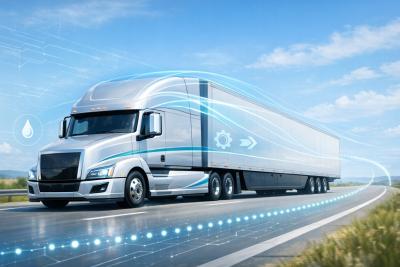
The newly implemented reforms are projected to decrease fuel consumption by up to 18%, as fewer trips will be required to transport the same volume of goods. Additionally, the government has expanded the network of roads accessible to these larger vehicles, particularly in rural and remote areas, thereby improving logistical efficiency.
Industry representatives have largely welcomed these changes. The Motor Trade Association SA/NT highlighted that allowing larger trucks will facilitate more efficient movement of goods across the state. Similarly, the South Australian Road Transport Association noted that livestock haulers would benefit from the expanded road access and the ability to transport different types of livestock simultaneously, leading to cost savings.
However, some operators remain cautious. Robin Hughes, a truck owner from Booleroo Centre, expressed concerns about the immediate benefits for small businesses. He pointed out that without existing compatible trailers, the financial outlay required to invest in new equipment might outweigh the potential savings from increased load capacities.
There are also considerations regarding road wear and safety. While the introduction of heavier trucks could potentially impact road conditions, industry experts suggest that the reduction in the number of trips may offset this effect. The Royal Automobile Association (RAA) has committed to monitoring road conditions to ensure safety standards are maintained.
For trucking businesses, these reforms present an opportunity to reassess operational strategies. Investing in compatible equipment and optimizing logistics could lead to significant fuel savings and improved profitability. However, it's crucial for operators to weigh the initial investment costs against the projected benefits and to stay informed about any further regulatory changes.


No comments yet. Be the first to share your thoughts.