
Income Protection Australia :: News
SHARE

Share this news item!

What Global Marine Risk Trends Mean for Australian Boat Owners

Fire prevention, storm planning and policy details remain the practical takeaways

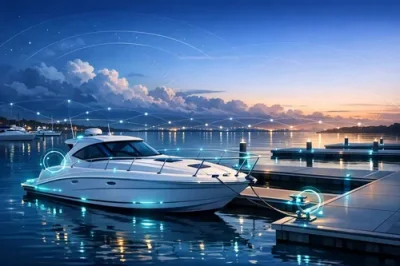
What Global Marine Risk Trends Mean for Australian Boat Owners?w=400

The information on this website is general in nature and does not take into account your objectives, financial situation, or needs. Consider seeking personal advice from a licensed adviser before acting on any information.

Fresh global marine risk reporting has again highlighted a useful contrast for Australian boat owners: major vessel losses may be improving over the long term, but the risks that drive insurance claims are becoming more complex.
While international shipping data is not written for weekend skippers, yacht owners or local charter operators, the themes are familiar: fire, severe weather, machinery failure, navigation errors, theft exposure and rising repair costs can all turn a day on the water into a significant financial event.

For recreational owners, the most practical message is that risk management is not only a commercial shipping issue. Modern boats often carry high-value electronics, lithium-powered devices, sophisticated engines, refrigeration, solar systems and expensive fishing or watersports gear. Each upgrade can improve comfort and performance, but it can also change the risk profile of the vessel. If these additions are not reflected in the policy schedule or sum insured, a claim may not deliver the outcome the owner expects.

Commercial operators should also pay attention. Fishing tours, charters, sailing schools and hire arrangements can face different underwriting questions to private use, especially around passenger safety, maintenance records, crew training and navigation areas. This extends earlier local attention on incident data, where the lesson was that documented safety systems and clear operating procedures can be as important as the insurance policy itself.

Fire remains a standout issue because it can escalate quickly in a marina, at anchor or while a vessel is stored. Owners should treat electrical checks, battery charging practices, fuel system maintenance and onboard fire equipment as insurance-relevant tasks, not just good seamanship. Insurers may consider whether a loss was sudden and accidental, whether maintenance was reasonable and whether excluded causes such as gradual deterioration played a role.

Weather exposure is another pressure point. Stronger storms, flood surge, hail, cyclonic conditions and marina damage can affect boats even when they are not being used. Before peak storm season, owners should check mooring conditions, storage arrangements, navigation limits, cyclone clauses, lay-up conditions, excesses and whether salvage or wreck removal is included. For higher-value vessels, calculating an updated sum insured can help identify whether recent equipment, engine or trailer costs have been properly allowed for.

The broader lesson is simple: global marine risk trends may seem distant, but the same fundamentals apply locally. A well-maintained boat, accurate disclosure, realistic insured values and a policy that matches actual use can make a major difference when a claim is assessed.

Published:Wednesday, 2nd Sep 2026
Author: Paige Estritori

Please Note: We do not endorse any specific products or companies. Some content is sourced from third parties, including press releases, and may not be independently verified for accuracy or completeness.

Share this news item:

Rate this article

0 Comments

No comments yet. Be the first to share your thoughts.

Insurance News

What Electric Heavy Vehicles Mean for Truck Insurance
10 Sep 2026: Paige Estritori
Recent transport and fleet industry coverage continues to point to a steady increase in electric and low-emission heavy vehicles across Australian logistics operations. For many operators, the attraction is clear: quieter vehicles, lower tailpipe emissions, potential fuel savings and stronger alignment with customer sustainability targets. But the insurance conversation is now becoming more detailed than simply replacing a diesel truck with an electric one. - read more
Why the Latest Insurance Data Matters for Trade Businesses
10 Sep 2026: Paige Estritori
APRA’s latest quarterly general insurance statistics point to a market that is still under cost pressure, even as insurers continue to report stronger overall results than during the worst of the recent claims cycle. For Australian tradespeople, the headline is not simply whether insurers are profitable. The practical issue is how rising premiums, repair costs, reinsurance expenses and claims activity flow through to the price and availability of cover used every day on the tools. - read more
Advice Changes Could Make Income Cover Easier to Understand
10 Sep 2026: Paige Estritori
Australia’s financial advice reform agenda has taken another important step, with industry attention turning to how simpler, more accessible guidance could help consumers make better decisions about insurance. For workers who rely on income insurance or salary continuance cover, the issue is more practical than political: many people hold cover they do not fully understand until illness or injury forces them to test it. - read more
Why Battery Freight Is Becoming a Truck Insurance Issue
10 Sep 2026: Paige Estritori
Recent transport and insurance industry attention on lithium-ion battery safety is a timely warning for Australian truck operators. The issue is no longer limited to consumer products catching fire in homes or warehouses. Batteries now move through freight networks in tools, scooters, e-bikes, electronics, spare parts and energy storage equipment, and that creates a different risk profile for carriers, depots and subcontracted linehaul work. - read more


Life Insurance Articles

Understanding Income Protection: How Much Insurance Do You Really Need?
Income protection insurance is a type of policy designed to provide you with a safety net in case you’re unable to work due to illness or injury. The concept hinges on securing a portion of your earned income when adverse health conditions impede your ability to generate revenue through your profession. - read more
How Income Protection Insurance Can Safeguard Your Financial Future
Income Protection Insurance is a type of insurance policy designed to provide you with a substitute income if you are unable to work due to illness or injury. This form of insurance essentially acts as a financial safety net, ensuring that you can continue to manage your living expenses even when your regular earnings have been disrupted. - read more
The Devil's in the Detail: What Your Income Protection Policy Really Covers
In today's ever-fluctuating economic landscape, income protection insurance emerges as a vital component of comprehensive financial planning. While many understand the significance of insuring assets like homes and automobiles, securing one's income stream often gets overlooked. However, considering the life's unpredictable nature, safeguarding our ability to earn should be of utmost importance. - read more
Understanding the Tax Benefits of Income Protection Insurance in Australia
When hardship hits and earning a steady income becomes a challenge due to illness or injury, income protection insurance steps in as a crucial lifeline. This insurance acts much like a monetary buffer, providing you with a percentage of your regular income during times when you're unable to work. It's designed to offer peace of mind and stability, not just for you, but also for your dependents who rely on your financial support. - read more

Knowledgebase
Occupational Hazard:
A risk associated with the nature of a particular occupation, which may affect insurance premiums.